
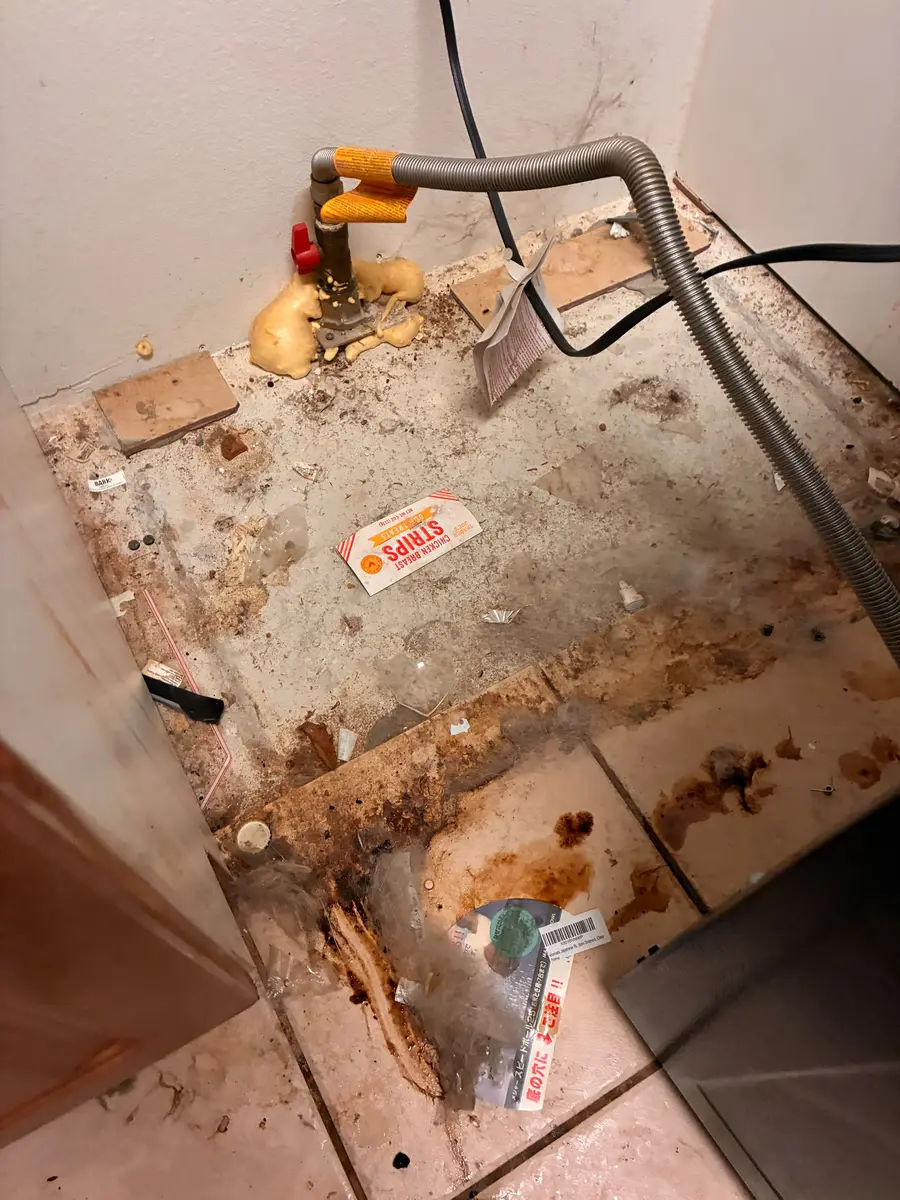
Moving out of a Boston apartment is a race. Boxes, the truck, the new place and the old keys all land on the same few days, and the cleaning usually gets squeezed into the last night. That is a problem, because the condition of the unit is one of the first things a landlord or property manager checks when you leave.
This move out cleaning checklist follows the way Josiane Santos cleans empty homes, room by room, with the spots that get missed most often. It also covers how the September 1 move cycle in Boston, Brighton, Cambridge and Somerville changes the timing.
Why the September 1 move makes timing tricky
A large share of Boston area leases end on August 31 and start on September 1. Students around Boston University, Boston College, Harvard and MIT move at the same time as everyone else, and streets in Allston-Brighton fill with trucks and furniture left on the curb, the weekend locals nicknamed Allston Christmas.
That means the window between your last box leaving and the next tenant arriving can be very short. Plan the cleaning for the moment the unit is empty, not before, because moving furniture always uncovers dust, crumbs and scuffs. If you are hiring help for late August, ask early, since that is the busiest stretch of the year for anyone who cleans apartments in the city.
Kitchen: what gets looked at first
The kitchen is where an empty unit shows its history. Clean the inside of the oven and the racks, the stovetop and the grates, and the range hood. Empty the refrigerator and freezer completely, clean the shelves, drawers and door gaskets, and wipe the outside, top and sides.
Open every cabinet and drawer and wipe them inside, including the shelf edges where crumbs collect. Clean under the sink, the cabinet faces and handles, the backsplash and the counters. If you can safely move the stove or refrigerator, clean the floor behind and under them. That strip of floor is one of the dirtiest spots in almost every move out Josiane cleans.
Finish with the microwave inside and out, the dishwasher door and edges, the sink and the faucet.
Bathrooms
Scrub the tub or shower pan and the walls for soap scum, clean the glass door or wipe the shower rod, and clean the grout. Scrub the toilet inside and out, including the base and the floor around it. Clean the sink, the overflow holes and the faucet, and remove any rust or mineral stains you can.
Empty and wipe the vanity and the medicine cabinet. Clean the mirror, the light fixture and the exhaust fan cover. Wipe the baseboards and the door, then mop the floor, getting into the corners behind the toilet.
Bedrooms, living areas and closets
With the furniture gone, everything is visible. Dust the ceiling fan and light fixtures, wipe the tops of door frames and window frames, and clean window sills and tracks. Wipe light switches, outlet covers, door handles and any marks on doors.
Clean the baseboards all the way around the room, then the closets, including shelves, rods and the closet floor. Vacuum carpets thoroughly, edges included, and sweep and mop hard floors. In older triple-deckers and brownstones, check along radiators and in the gaps of old wood floors, where debris tends to hide.
Spots that are easy to forget
Some items are missed in almost every rushed move out. Smoke detectors and ceiling vents collect dust you only notice from a ladder. Window and sliding door tracks hold dirt and dead bugs. The laundry area, if the unit has one, often has lint behind the dryer and a dirty detergent tray.
Also check the entryway, the back of the front door, the inside of the mailbox if it is part of the unit, and any storage space in the basement that came with the lease. Take every bag of trash out, because a pile left by the door undoes a clean unit at first glance.
Protecting your security deposit, in general terms
Landlords and property managers generally check the condition of a unit when a tenant moves out, and a dirty kitchen or bathroom is one of the most common things they notice. Every lease and situation is different, so read your lease and ask your landlord what they expect.
A simple habit helps: take dated photos of every room after the cleaning is done, including the inside of the oven, the refrigerator and the bathrooms. Keep them with your copy of the lease. That way you have a clear record of how you left the unit.
Move in cleaning is the other half
If you are moving into a new place right after, it is worth cleaning that unit before your boxes arrive. Cabinets, the refrigerator and the bathroom are much easier to clean empty, and you start fresh instead of living with the last tenant's dust.
Josiane cleans move in and move out units in Boston, Brighton, Cambridge, Somerville and the MetroWest towns. Text or WhatsApp (954) 482-8268 with the address area, the move date and a few photos to get a quote by text.
Frequently asked questions
01What should a move out cleaning include?
The inside of the oven, fridge, freezer, cabinets and drawers, the bathrooms top to bottom, baseboards, switches, window sills and tracks, closets, the floor behind appliances, and a full vacuum and mop of every room.
02When should I schedule a move out cleaning in Boston?
Once the unit is empty, right before you hand back the keys. For late August and the September 1 move, book as early as you can because it is the busiest time of year.
03Does a clean unit help with getting my security deposit back?
Landlords generally check the condition of the unit when you move out, so leaving it clean helps. Rules and leases vary, so read your lease and keep dated photos of the clean unit.
04Can I book a cleaning for both my old and my new place?
You can ask for both. Text or WhatsApp (954) 482-8268 with both locations and your move dates, and Josiane will tell you what she can schedule.
Related services
Found this helpful? Make us a preferred source on Google.